


Bravo Impeller replacement
 10-01-2012 | 09:01 PM
#1
Thread Starter
Registered
Joined: Jul 2010
Posts: 504
Likes: 0
From: Centennial, CO
 Bravo Impeller replacement
Gonna replace the impeller on a Bravo III 5.7. The manual is not real clear on getting to the impeller. Do you remove the entire pump and bracket? Or do you just remove the back of the pump leaving bracket and pulley in place?
 10-01-2012 | 09:18 PM
#2
Registered
Joined: Mar 2009
Posts: 1,758
Likes: 3
From: OFallon,Mo.
Remove it all and do it on a bench. Take notice of which way the 2 hoses go on the back of the pump. Seems to be pretty common question around here when people are putting them back on.
Last edited by picklenjim; 10-01-2012 at 09:21 PM.

 10-02-2012 | 08:03 AM
#4
Registered

Joined: Mar 2012
Posts: 1,230
Likes: 27
From: Clearwater, Mn
For me, I DID NOT have to remove the the entire thing. Just removed the 2 hose going to it, then pulled the 5 bolts out around the impeller housing (IIRC i used, 3/8 ratchet, 3" extition and 7/16 or 1/2" socket). Grabbed the new impeller, greased it up good and pushed it into the housing with a "twist". just make sure the twist is going to same way as the old one and NOT to over tighten the bolts on reassembly, the plastic housing will crack ez  . Took me less then 30 min to do and that included a cold beer.
. Took me less then 30 min to do and that included a cold beer.
10-02-2012 | 08:44 AM
#5
Registered
Joined: Jul 2010
Posts: 779
Likes: 2
From: Conway, AR
Like others have said, if you have easy access to the pump it's not that big of a job. Mine on the other hand were real BEOTCHS!! I had to stand on my head, and do everything by feel. I had no choices but pull the entire pumps and do them on a bench. I swore I'd never do that again! But, I'm sure I'll resign myself to do it again next spring!
10-02-2012 | 02:15 PM
#6

Registered
Joined: Sep 2004
Posts: 497
Likes: 0
From: Tarpon Springs, FL Winter/LBI, NJ Summers
twist
For me, I DID NOT have to remove the the entire thing. Just removed the 2 hose going to it, then pulled the 5 bolts out around the impeller housing (IIRC i used, 3/8 ratchet, 3" extition and 7/16 or 1/2" socket). Grabbed the new impeller, greased it up good and pushed it into the housing with a "twist". just make sure the twist is going to same way as the old one and NOT to over tighten the bolts on reassembly, the plastic housing will crack ez . Took me less then 30 min to do and that included a cold beer.
. Took me less then 30 min to do and that included a cold beer.
10-03-2012 | 08:37 AM
#7
Thread Starter
Registered
Joined: Jul 2010
Posts: 504
Likes: 0
From: Centennial, CO
Well I pulled the entire pump, the center stringer (working on port engine) made it very difficult to get to the back of the pump. Glad I did actually because the impeller was so fried it was a lot easier to get everything clean. Pump rebuild and replacement underway woohoo.
10-03-2012 | 02:19 PM
#9
Thread Starter
Registered
Joined: Jul 2010
Posts: 504
Likes: 0
From: Centennial, CO
OK shadetree boat mechanics (and paid mechanics as well, who I think probably last changed this impeller)
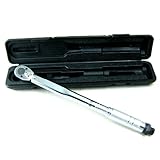
This is a torque wrench:
This is Anti Sieze lubricant:

When you are putting something together that needs to seal (like a mercruiser seawater pump) you put a little of the anti sieze on the bolt threads and then the next time the pump needs to come apart the bolts aren't frozen with corrosion.
Then you use the torque wrench to tighten said bolts to the manufacturer's specification. You don't "crank till it don't turn no more".
It is very simple and neither item costs much
OK rant over

This is a torque wrench:
This is Anti Sieze lubricant:
When you are putting something together that needs to seal (like a mercruiser seawater pump) you put a little of the anti sieze on the bolt threads and then the next time the pump needs to come apart the bolts aren't frozen with corrosion.
Then you use the torque wrench to tighten said bolts to the manufacturer's specification. You don't "crank till it don't turn no more".
It is very simple and neither item costs much
OK rant over
10-03-2012 | 06:23 PM
#10

Ginger or Mary Ann?


Joined: Oct 2000
Posts: 11,030
Likes: 9
From: L
Never used antisieze or a torque wrench on a seawater pump myself.
The pump housing is sealed with an o-ring. As soon as the housing contacts the main body, it won't seal any better by tightening the housing down more. The o-ring has already compressed as much as it will.
The pump housing is sealed with an o-ring. As soon as the housing contacts the main body, it won't seal any better by tightening the housing down more. The o-ring has already compressed as much as it will.
__________________
Some people are like Slinkies - Not really good for anything, but they
bring a smile to your face when pushed down the stairs.
Some people are like Slinkies - Not really good for anything, but they
bring a smile to your face when pushed down the stairs.

