


Mercury #6 Drive Chronology
 06-22-2007 | 07:48 PM
#1
Thread Starter
Registered

Joined: Oct 2004
Posts: 1,499
Likes: 48
From: Newbury Park, CA
 Mercury #6 Drive Chronology
Just wondering what the chronology is on the #6 drives. When did they come out, when did they go to dry sump, when did the swept skeg come out, etc.?
Michael
Michael
 06-24-2007 | 08:59 PM
#2

Registered
Joined: Apr 2001
Posts: 6,305
Likes: 36
From: Naples, Maine
I'm no expert on the Speedy 6 but here we go.
The speedmaster VI was originally designed by Fred Kiekhaefer back in the mid 80's when he was head of Kiekhaefer Aeromarine. It was released in 1988 as the Kiekhaefer K drive and only available to qualified race teams. Needless to say, it was a tremendous sucess. Mercury soon after bought out Kiekhaefer Aeromarine pretty much to gain the drive and re-named it the Speedmaster VI. Not sure when they were dry-sumped or the swept back skeg.
The speedmaster VI was originally designed by Fred Kiekhaefer back in the mid 80's when he was head of Kiekhaefer Aeromarine. It was released in 1988 as the Kiekhaefer K drive and only available to qualified race teams. Needless to say, it was a tremendous sucess. Mercury soon after bought out Kiekhaefer Aeromarine pretty much to gain the drive and re-named it the Speedmaster VI. Not sure when they were dry-sumped or the swept back skeg.
Last edited by Biggus; 09-27-2007 at 05:39 AM.
06-24-2007 | 10:38 PM
#3
Registered
Joined: Mar 2002
Posts: 3,392
Likes: 7
From: racing capitol of the world
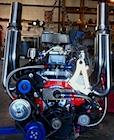
first dry sump #6 was done by pat wiessman (shifter) in 95, i think. it was a modified wet sump drive. We had them on our first 36 skater, ct peppers, 1996 world chamopionship, !st place. we continued to use them until swapping to imco extremes in 2000.
 06-26-2007 | 01:45 PM
#5
Registered
Joined: Jun 2006
Posts: 14,914
Likes: 1
From: Lake Conroe, TX.
"dry-sump" lubrication system features a precision-oiling pump that sprays a metered portion of oil to lubricate vital internal components. The system, mounted in the gear housing, uses one-fifth the quantity of gear oil used in previous 'wet-sump' models. Less oil in the sump reduces friction, adding 50 to 80 propshaft horsepower for improved overall boat performance.

 06-26-2007 | 03:29 PM
#7
Registered
Joined: Nov 2002
Posts: 3,029
Likes: 2
From: Bonita Springs, Florida
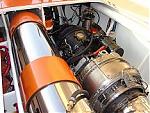
A dry sump engine has an external mutilstage pump that is driven from the crank. The oil is stored in a separate external tank which may hold up to 4+ gallons of the precious fluid. The oil is scavaged from the oil pan back into the tank then pumped from the tank and pressurized through the system assuring a constant smooth flow of oil. The external tank also allows some moderate cooling of the oil.
Advantage: Less chance to starve the vital components of the engine from oil.
Disadvantage is throwing a blower belt and it also taking out your dry sump belt.
Last edited by The Menace; 06-26-2007 at 03:31 PM.
06-26-2007 | 03:58 PM
#8
Registered
Joined: Jun 2006
Posts: 14,914
Likes: 1
From: Lake Conroe, TX.
A wet sump engine stores the oil in the pan. The oil pump itself is ran from the distruibutor shaft. Bouncing in a rough sea can intermittently starve the power plant from oil.
A dry sump engine has an external mutilstage pump that is driven from the crank. The oil is stored in a separate external tank which may hold up to 4+ gallons of the precious fluid. The oil is scavaged from the oil pan back into the tank then pumped from the tank and pressurized through the system assuring a constant smooth flow of oil. The external tank also allows some moderate cooling of the oil.
Advantage: Less chance to starve the vital components of the engine from oil.
Disadvantage is throwing a blower belt and it also taking out your dry sump belt.
A dry sump engine has an external mutilstage pump that is driven from the crank. The oil is stored in a separate external tank which may hold up to 4+ gallons of the precious fluid. The oil is scavaged from the oil pan back into the tank then pumped from the tank and pressurized through the system assuring a constant smooth flow of oil. The external tank also allows some moderate cooling of the oil.
Advantage: Less chance to starve the vital components of the engine from oil.
Disadvantage is throwing a blower belt and it also taking out your dry sump belt.
Good info.
06-27-2007 | 10:02 AM
#10

Diamond Member #001
Joined: Oct 2000
Posts: 4,808
Likes: 5
From: Coastal North Carolina
1. Mercury copied the #6 by buying it in 1988.
2. Mercury copied the dry-sump concept from Weismann in 1997.
3. Mercury copied the swept-back skeg from Herring in 2000.
4. Mercury's now looking for something else to copy.
2. Mercury copied the dry-sump concept from Weismann in 1997.
3. Mercury copied the swept-back skeg from Herring in 2000.
4. Mercury's now looking for something else to copy.
__________________
Retired! Boating full-time now.
Retired! Boating full-time now.

