


Valve guide clearance question

 04-14-2019 | 08:25 PM
#22
Registered

Joined: Jan 2007
Posts: 2,076
Likes: 1,196
From: Murrayville Georgia

Thanks for the input everyone.
It seems like there is a little discrepancy on the intake but. .002ish on the exhaust. I think the exhaust was tight on mine and caused a few valves to stick. Would definitely explain a few wacky things that were going on with the engine.
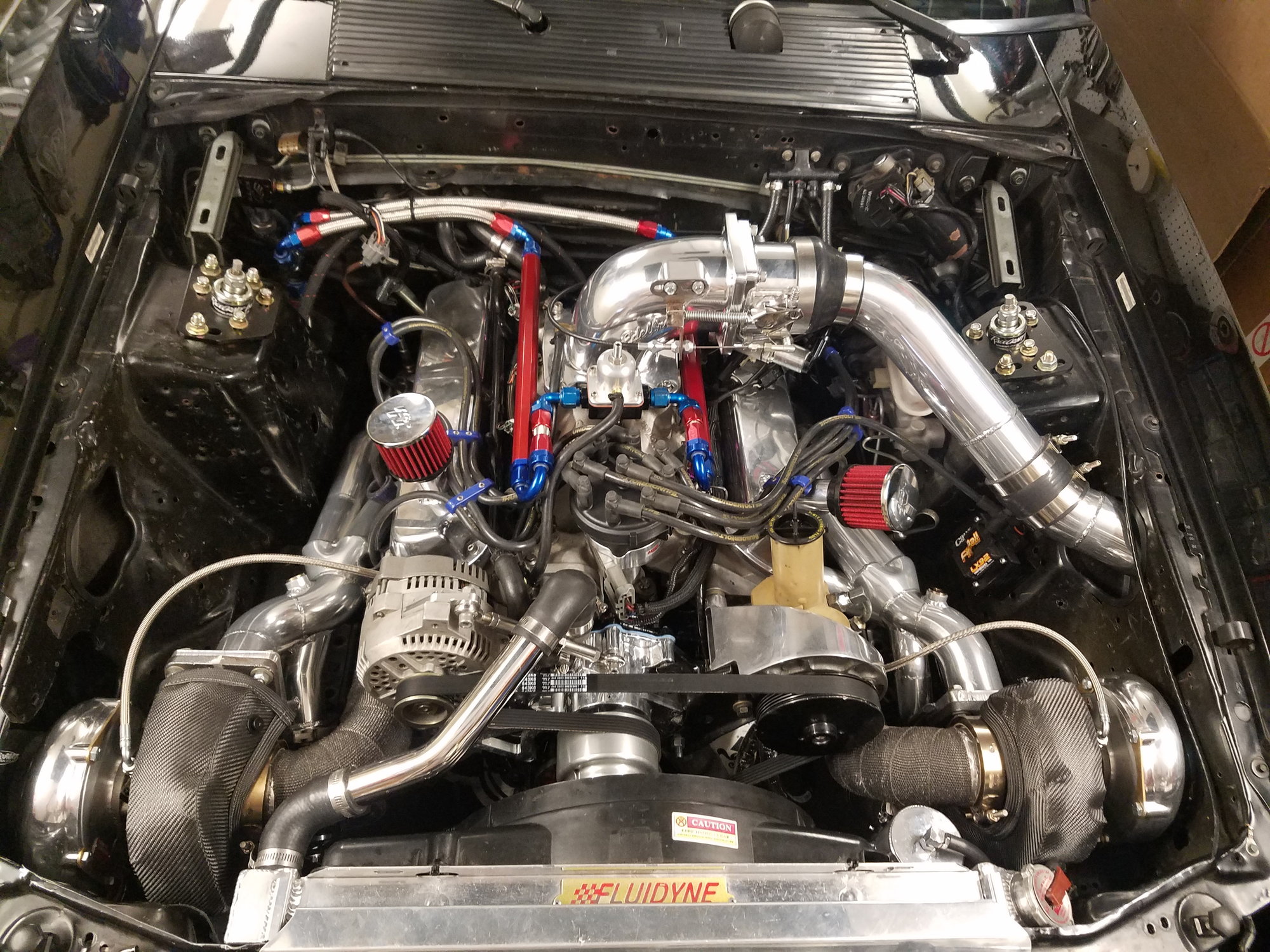
Other thing to note is I run a 195 thermostat to make the e85 ignite better with cold air temps. I can change to a 180 stat but in the warmer months the engine runs on the warm side and I wont be able to keep the 180 temp. It will run 195-200. On pump gas it ran 200-215.
I'm wondering if I need even a little looser than the. .002ish when the coolant temp is 195+? Definitely thinking valve seals with the spring removed or no seals at all on the exhaust. I will take to the builder about this.
It seems like there is a little discrepancy on the intake but. .002ish on the exhaust. I think the exhaust was tight on mine and caused a few valves to stick. Would definitely explain a few wacky things that were going on with the engine.
Other thing to note is I run a 195 thermostat to make the e85 ignite better with cold air temps. I can change to a 180 stat but in the warmer months the engine runs on the warm side and I wont be able to keep the 180 temp. It will run 195-200. On pump gas it ran 200-215.
I'm wondering if I need even a little looser than the. .002ish when the coolant temp is 195+? Definitely thinking valve seals with the spring removed or no seals at all on the exhaust. I will take to the builder about this.
04-14-2019 | 09:25 PM
#23
Registered
Joined: Feb 2009
Posts: 8,356
Likes: 1,515
From: NW Michigan
Just think of it as common sense. Cooler, oil is thicker. Hotter, oil is thinner. (Viscosity) Oil temps can dictate clearances through the whole engine. Just like closed cooling engines clearances are different than that of a raw water cooling in the marine world. That's why you typically can't take a performance automobile engine and stick it in a boat and expect it to last. Auto temps tend to be constant with consistent oil temps. When I first started boating and building boat engines I remember my bearing etc clearances being on the edge. Slightly more than marine spec. Machine shop I used, use always kept my marine builds slightly above marine spec and I would worry, but think about it. I always ran 20/50 and ran 10 pds oil pressure per 1k rpm. Would change a little depending on how hard and long I was running. Never ever a problem. But again I run in cold water in NW Michigan. Just saying.. for what ever it's worth.
04-15-2019 | 06:56 AM
#24
Registered
Joined: Oct 2013
Posts: 487
Likes: 23
From: Salisbury N.C.
04-15-2019 | 05:07 PM
#26
Registered
Joined: Feb 2009
Posts: 8,356
Likes: 1,515
From: NW Michigan
john
04-15-2019 | 05:52 PM
#27
Registered

Joined: Jan 2006
Posts: 3,598
Likes: 1,168
From: taxachusetts
intakes aren't usually the problem,exhaust is.once the exhaust hangs,its sucking water and no matter what clearance you have,,your done.unless your totally dry.
04-15-2019 | 06:10 PM
#28

Platinum Member

Joined: Apr 2005
Posts: 2,150
Likes: 15
From: Northport N.Y.
My guess is closer to low .001s on intake and close to 002 on exhaust. .0025 the valve will move a tone and valve job won't last as long. I would not go over .002 on exhaust.
04-15-2019 | 07:11 PM
#29
Thread Starter
Registered

Joined: Oct 2012
Posts: 2,230
Likes: 536
https://www.yellowbullet.com/forum/s...t=724514&=1
You will have to copy and paste its got good info for u
You will have to copy and paste its got good info for u
04-15-2019 | 07:15 PM
#30
Thread Starter
Registered
Joined: Oct 2012
Posts: 2,230
Likes: 536
if it runs that temp no matter the t-stat then the radiator is too small or is not efficient enough. the stat will not make it run cooler only hold the temp higher. you have to remove more heat from the radiator so the stat will close some to maintain the heat in the block. is the radiator aluminum and if so is it natural? painting it black will help it some but there are limits and sometimes you have to go up in size or increase the air flow.
Last edited by underpsi68; 04-15-2019 at 07:21 PM.

