


Break in
 06-15-2022 | 08:17 AM
#1

Thread Starter
VIP Member


Joined: Jul 2009
Posts: 783
Likes: 51
From: NJ
 Break in
So I finally got my engines back yay! I had them refreshed with a new flat tappet cam etc. I am using Lucas 30 weight break in oil for the 1st 30 minutes of runtime. After that I plan on using Valvoline 20/50 racing oil. Non synthetic. Do I need to add an additional additive to the valvoline oil. It is already high zinc high phosphorus 1300/1400 PPM
Thanks in advance
Thanks in advance
 06-15-2022 | 09:01 AM
#2

Platinum Member


Joined: Feb 2001
Posts: 4,303
Likes: 1,459
From: Virginia Beach
Good procedures for break-in...
https://www.enginebuildermag.com/201...-in-procedure/
Removing the inner springs during break-in might be a good idea.
VR1 High Zinc should be good, but with how fragile flat tappet cams are, I'd run an additional additive just to be safe (cannot hurt).
Good luck - flat tappet cam survival is a crapshoot it seems.
https://www.enginebuildermag.com/201...-in-procedure/
Removing the inner springs during break-in might be a good idea.
VR1 High Zinc should be good, but with how fragile flat tappet cams are, I'd run an additional additive just to be safe (cannot hurt).
Good luck - flat tappet cam survival is a crapshoot it seems.
06-15-2022 | 09:17 AM
#3
Registered
Joined: Feb 2009
Posts: 8,356
Likes: 1,515
From: NW Michigan
If I recall you bought those comp cams. Specs looked great. If it were me I’d run a zinc additive regardless however your best bet would be to call comp tech and ask them the very same question. I’m sure you’ll be fine. Although less and less hyd flat tappet cams every year there’s still a gazillion of them out there running daily.
06-15-2022 | 11:57 AM
#4
Thread Starter
VIP Member
Joined: Jul 2009
Posts: 783
Likes: 51
From: NJ
So for initial breakin the 30 weight Lucas breakin oil will be good alone. After 30 minutes of running I will change the oil and filter. I will use the high sync
valvoline oil with the compcams additive. On the previous post I read the breakin procedure and it says after the 1st 30 minutes change the oil and run the engine for 500 miles. How many hours is considered 500 miles in a boat. And how am I supposed to run it not full throttle and not idling for a long time?
valvoline oil with the compcams additive. On the previous post I read the breakin procedure and it says after the 1st 30 minutes change the oil and run the engine for 500 miles. How many hours is considered 500 miles in a boat. And how am I supposed to run it not full throttle and not idling for a long time?
06-15-2022 | 12:41 PM
#5
Registered
Joined: Aug 2010
Posts: 1,386
Likes: 565
Once cam break in then next is ring concern.
In carrying on with the Engine Builder articles and video from Total Seal.
Ring article
https://www.facebook.com/watch/?v=194808045119504
Miles?
I'd go a few hours then change again after ring break in myself.
If you are concerned about miles you could always use a portable suction cup GPS to record miles traveled or one of the many speedometer apps on your phone.
In carrying on with the Engine Builder articles and video from Total Seal.
Ring article
https://www.facebook.com/watch/?v=194808045119504
Miles?
I'd go a few hours then change again after ring break in myself.
If you are concerned about miles you could always use a portable suction cup GPS to record miles traveled or one of the many speedometer apps on your phone.
06-15-2022 | 03:04 PM
#7
Thread Starter
VIP Member
Joined: Jul 2009
Posts: 783
Likes: 51
From: NJ
When can I go back to my amsoil Z rod 20/50.
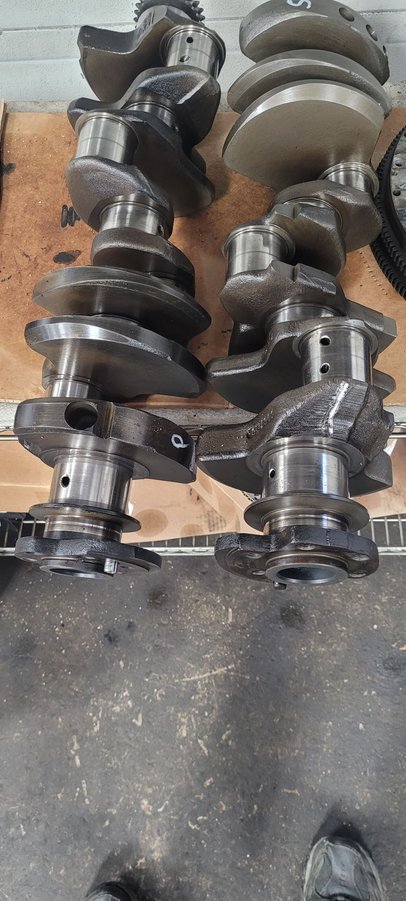
My engines were bored to 509 back in 2003. The blocks and cranks were in real nice condition surprisingly.
No
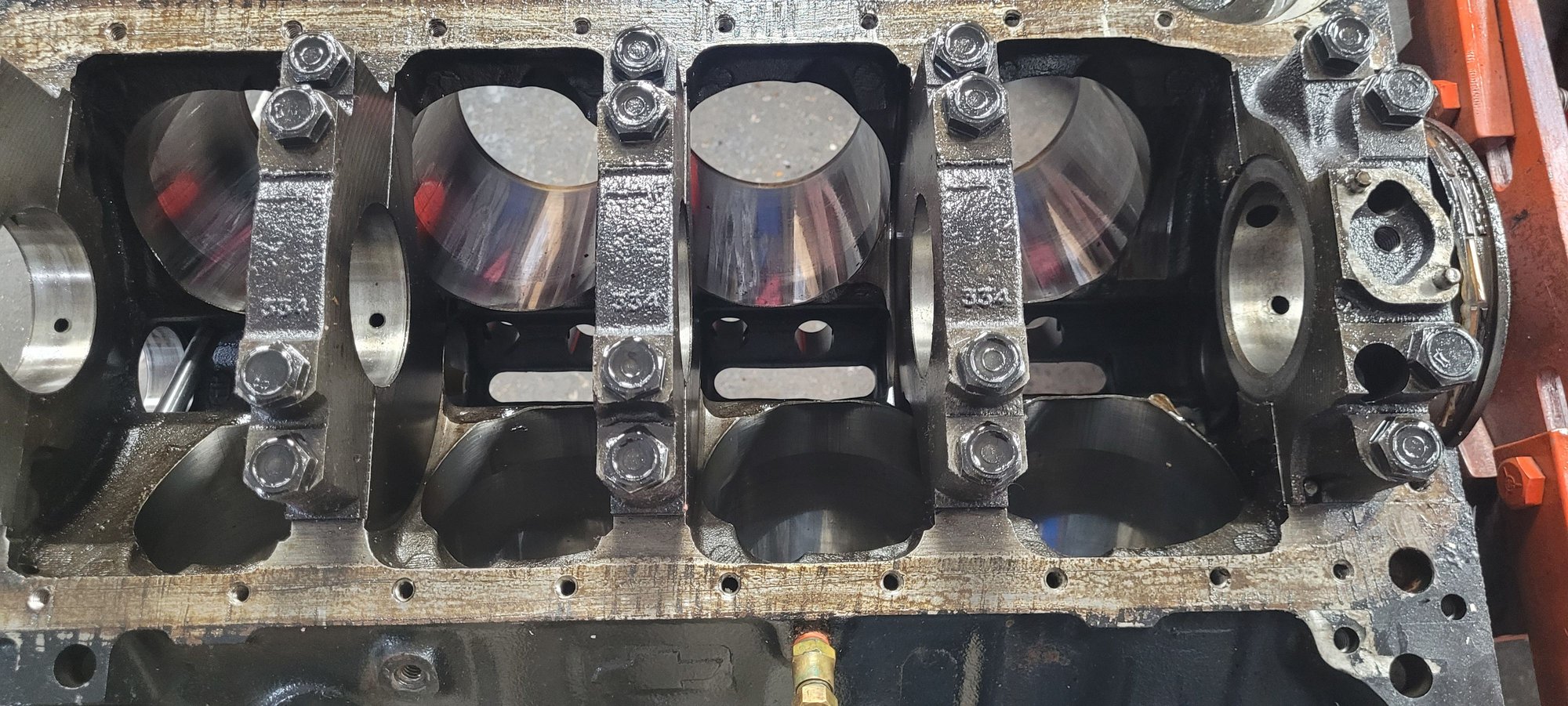
My engines were bored to 509 back in 2003. The blocks and cranks were in real nice condition surprisingly.
No
Last edited by 35fountain; 06-15-2022 at 03:10 PM.

 06-16-2022 | 08:25 PM
#9
Registered

Joined: Mar 2020
Posts: 372
Likes: 183
From: East Tennesseee
I've had this oil discussion with several different cam company people. The additives aren't all they're cracked up to be. The oils are engineered to do the job straight out of the bottle. Your not going to make it better with a random additive. You may very well make it worse. When you start adding things that aren't there originally there the "soaps" in the oil start encapsulating them. Thus degrading both the oil additive package and the additive you've put in. Oil companies spend millions with highly sophisticated equipment and test methods. Your not gonna do better on your own.
Everyone gets wound up about the reduction in zinc. Zinc did a great job. But it was the lowest cost alternative. When levels were reduced they had something to take its place that is just as good if not better. Millions upon millions of cars are still on the road with flat tappet cams running the cheapest oil they can find. I've built hundreds of engines and have never had a cam fail. Of the few I know that have had a cam fail on break-in they all came from the same company that employs a massive advertising budget. The best thing you can do is run an oil engineered for the application right out of the bottle. Doesn't matter if it's synthetic or regular.
Everyone gets wound up about the reduction in zinc. Zinc did a great job. But it was the lowest cost alternative. When levels were reduced they had something to take its place that is just as good if not better. Millions upon millions of cars are still on the road with flat tappet cams running the cheapest oil they can find. I've built hundreds of engines and have never had a cam fail. Of the few I know that have had a cam fail on break-in they all came from the same company that employs a massive advertising budget. The best thing you can do is run an oil engineered for the application right out of the bottle. Doesn't matter if it's synthetic or regular.
06-17-2022 | 07:29 AM
#10
Thread Starter
VIP Member
Joined: Jul 2009
Posts: 783
Likes: 51
From: NJ
I've had this oil discussion with several different cam company people. The additives aren't all they're cracked up to be. The oils are engineered to do the job straight out of the bottle. Your not going to make it better with a random additive. You may very well make it worse. When you start adding things that aren't there originally there the "soaps" in the oil start encapsulating them. Thus degrading both the oil additive package and the additive you've put in. Oil companies spend millions with highly sophisticated equipment and test methods. Your not gonna do better on your own.
Everyone gets wound up about the reduction in zinc. Zinc did a great job. But it was the lowest cost alternative. When levels were reduced they had something to take its place that is just as good if not better. Millions upon millions of cars are still on the road with flat tappet cams running the cheapest oil they can find. I've built hundreds of engines and have never had a cam fail. Of the few I know that have had a cam fail on break-in they all came from the same company that employs a massive advertising budget. The best thing you can do is run an oil engineered for the application right out of the bottle. Doesn't matter if it's synthetic or regular.
Everyone gets wound up about the reduction in zinc. Zinc did a great job. But it was the lowest cost alternative. When levels were reduced they had something to take its place that is just as good if not better. Millions upon millions of cars are still on the road with flat tappet cams running the cheapest oil they can find. I've built hundreds of engines and have never had a cam fail. Of the few I know that have had a cam fail on break-in they all came from the same company that employs a massive advertising budget. The best thing you can do is run an oil engineered for the application right out of the bottle. Doesn't matter if it's synthetic or regular.
Last edited by 35fountain; 06-17-2022 at 07:31 AM.

