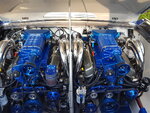
Leaking header, but not a crack
 04-24-2020 | 11:46 AM
#1
Thread Starter
Registered

Joined: Apr 2005
Posts: 54
Likes: 6
 Leaking header, but not a crack
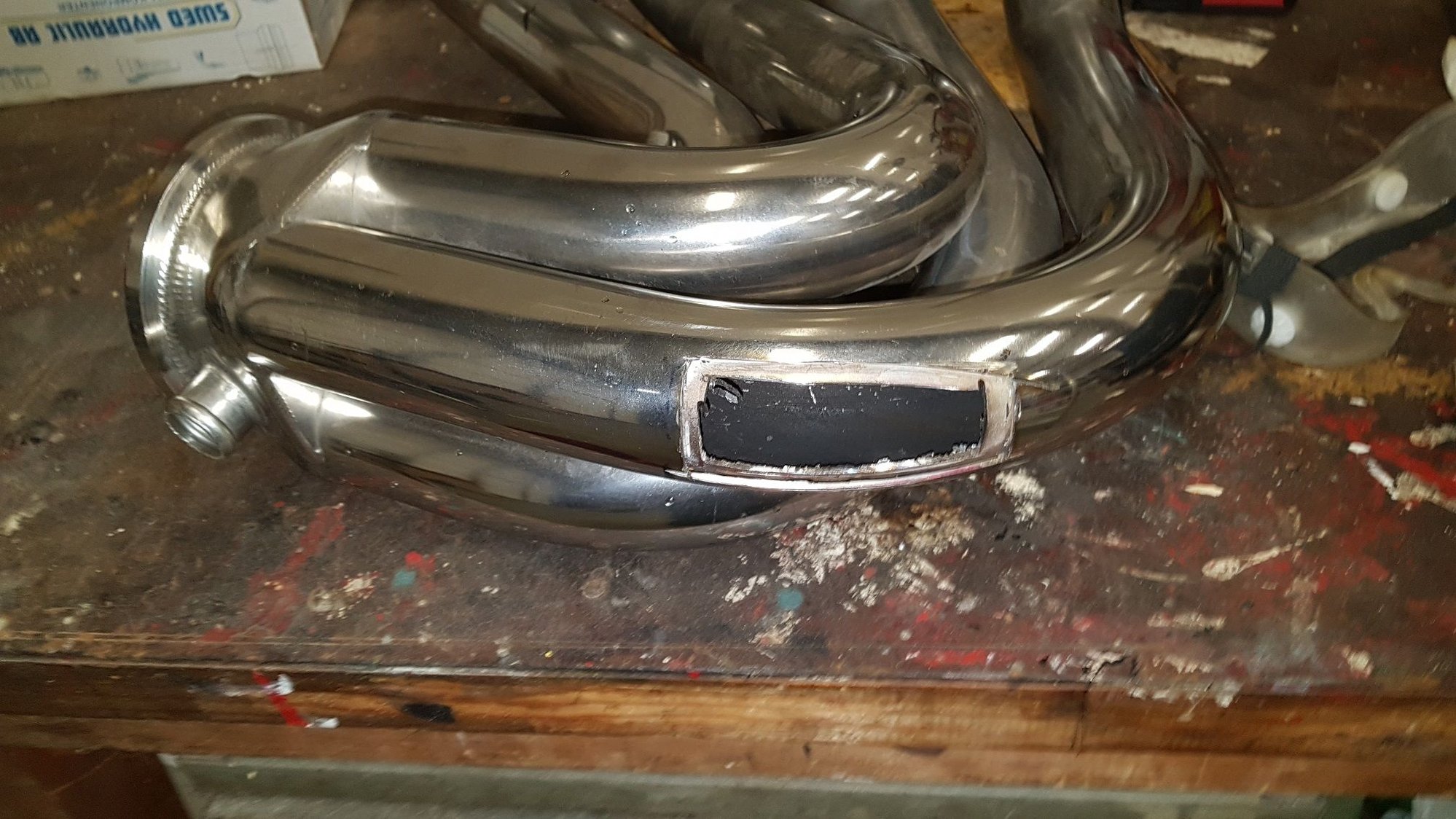
1. Cut out hole
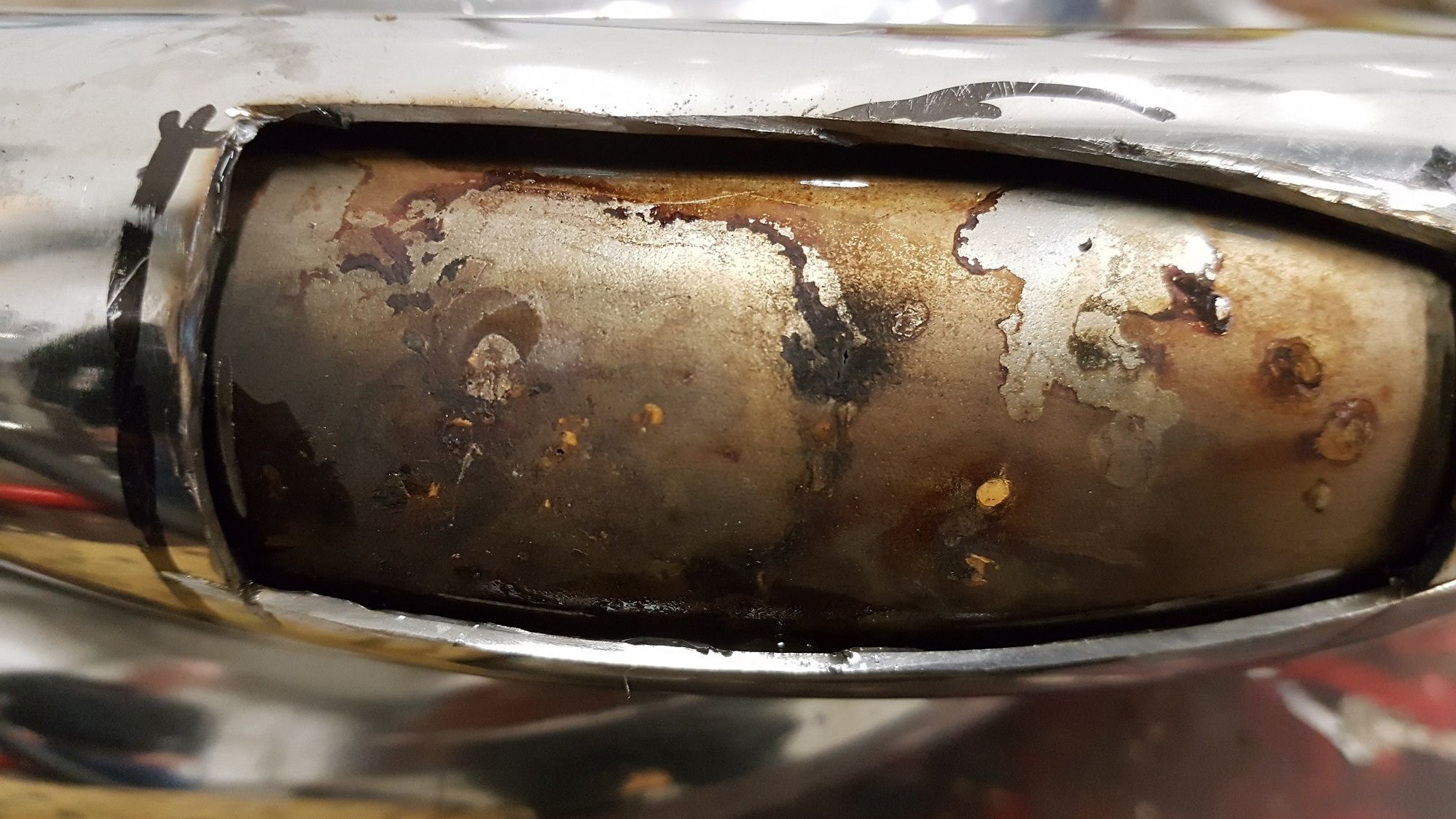
2. Outside of the inner pipe
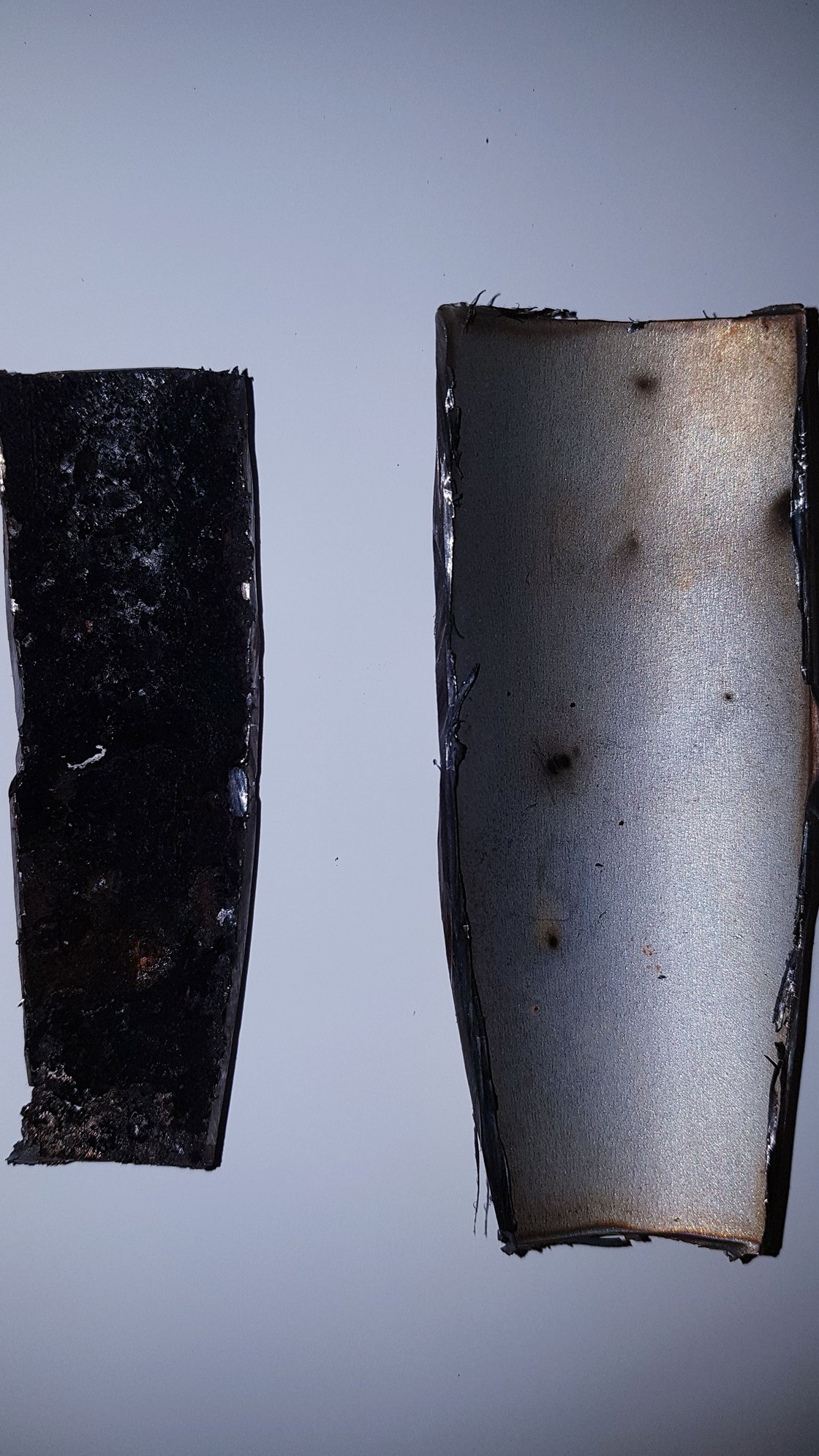
3. Inside of inner and outer pipe
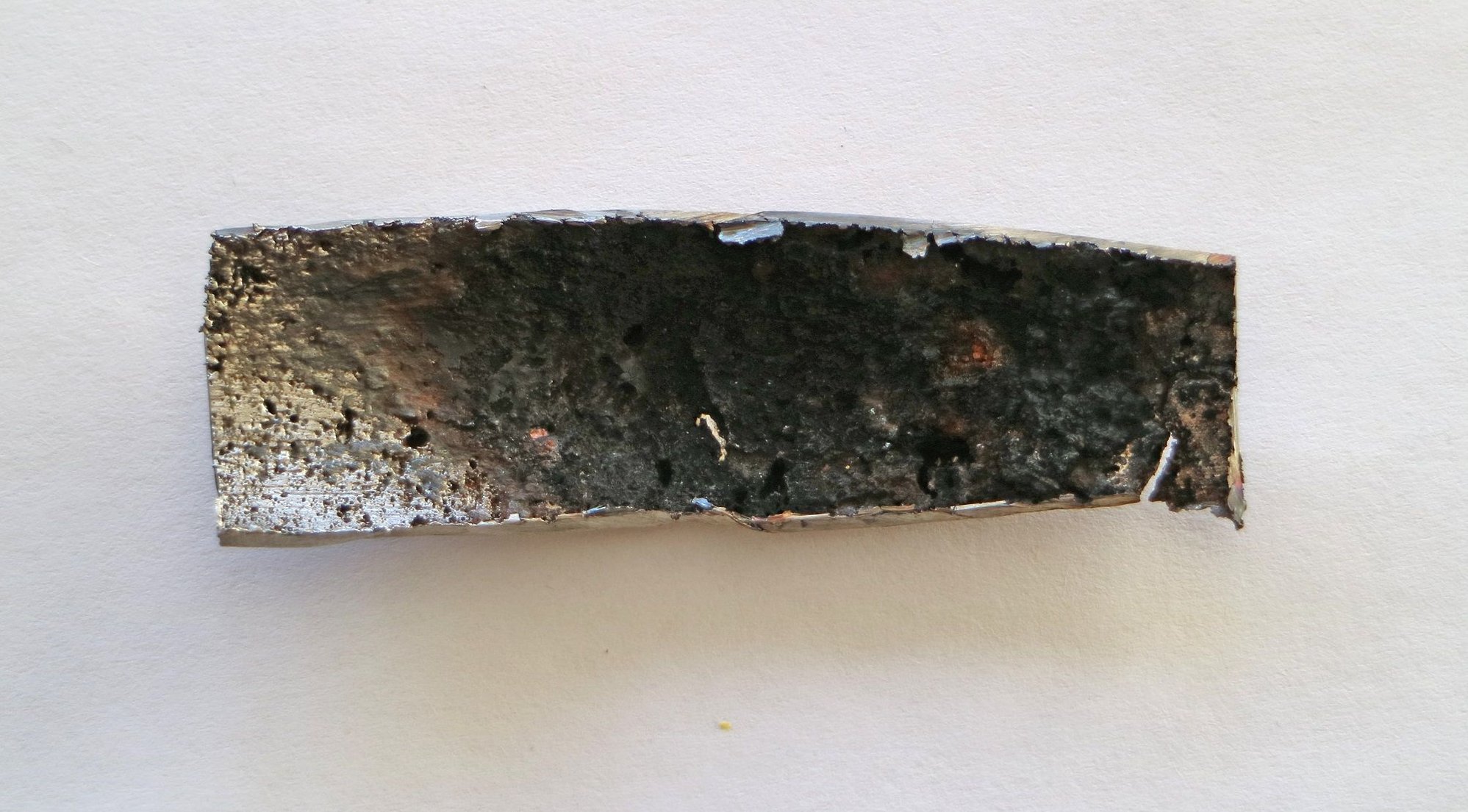
4. Inside of inner pipe
I bought this set 7 years ago very aware of the risk for leaks. Therefore I have had dual water pickups for safe water supply and have flushed the headers after every outing even though I´m in very brackish water.
Last season I got water in cylinder 7 and 8, took the headers off and pressure tested with water and found out that there were leaks, not from the welds but from somewhere inside the pipes from cylinder 1-4. Water then poured down through the collector down into cylinder 8 and 7.
I used a camera probe and located the leaks on the outer radius at the highest point of the pipes from cyl 1-4. Pic. 1 shows the hole I cut out. Pic 2 shows the outside of the inner pipe. Pic 3 shows the inside of the inner- and outer pipe, You can clearly see spots of soot on the outer pipe. Pic 3 shows much better how pitted this leaking area is, looks almost corroded. On the left side I have cleaned it with a steel brush.
The engine is a bone stock 496HO, the PCM has not been reflashed, nothing but the headers are done to it. I have never had an overheat alarm and there have never been any discoloration on the header so what have caused this? Could it be the fuel, we have 5% Ethanol in the fuel here? Or could it be a lean condition in cylinders 1-4 due to bad injectors? If that was the case wouldn´t it be damage to the exhaust valves then? All pistons, exhaust valves looks fine as does the exhaust pipes from cyl 5-8.
The reason for this post is to find out what has happened, if the headers is made from the right alloy it must be engine related or?
I am grateful for some help and input from the engine gurus here and/or others with knowledge/experience of this issue.
You don´t have to point out that this kind of a header will leak sooner or later, I have read that in lots of header threads.
Thanks!
 04-25-2020 | 07:55 AM
#6
Registered

Joined: Apr 2014
Posts: 650
Likes: 123
From: North Florida
So why are stainless marine risers so impervious to failure? They are jacketed stainless tubing also, correct? I think you may have developed an obstruction in the water tree that feeds that side. It looks like extreme heat to my eye. Aluminum manifolds would have melted right through. I know of a Thunder and Lightning header that had melt down from such an occurrence.
04-25-2020 | 10:29 AM
#7

Registered
Joined: Oct 2004
Posts: 2,670
Likes: 651
From: Clayton NJ
So why are stainless marine risers so impervious to failure? They are jacketed stainless tubing also, correct? I think you may have developed an obstruction in the water tree that feeds that side. It looks like extreme heat to my eye. Aluminum manifolds would have melted right through. I know of a Thunder and Lightning header that had melt down from such an occurrence.
04-25-2020 | 10:32 AM
#8
Registered
Joined: Jan 2006
Posts: 3,865
Likes: 794
From: St. Pete Beach, FL
So why are stainless marine risers so impervious to failure? They are jacketed stainless tubing also, correct? I think you may have developed an obstruction in the water tree that feeds that side. It looks like extreme heat to my eye. Aluminum manifolds would have melted right through. I know of a Thunder and Lightning header that had melt down from such an occurrence.
04-25-2020 | 10:33 AM
#9
Registered

Joined: Jun 2010
Posts: 4,817
Likes: 898
So why are stainless marine risers so impervious to failure? They are jacketed stainless tubing also, correct? I think you may have developed an obstruction in the water tree that feeds that side. It looks like extreme heat to my eye. Aluminum manifolds would have melted right through. I know of a Thunder and Lightning header that had melt down from such an occurrence.
the general concensus is that the method of manufacturing greatly increases the life and reduces risk of failure.