



Characteristics of a rough water boat?
 11-01-2012 | 10:02 AM
#81
Registered

Joined: Feb 2008
Posts: 6,759
Likes: 156
From: Connecticut

Before this gets outta hand....we should prolly agree that a Cig is a better designed boat for wave crushing, and a Fountain is designed more for speed. 2 totally different goals with these boats and I think each manufacturer hit their goals right on the money making them both great boats for their specific design. Comparing each to the others purpose will get no where....except an arguement.
 11-01-2012 | 10:42 AM
#82

Gold Member


Joined: Oct 2005
Posts: 11,692
Likes: 217
From: Olmsted Falls,Ohio Marblehead,Oh
Before this gets outta hand....we should prolly agree that a Cig is a better designed boat for wave crushing, and a Fountain is designed more for speed. 2 totally different goals with these boats and I think each manufacturer hit their goals right on the money making them both great boats for their specific design. Comparing each to the others purpose will get no where....except an arguement.
11-01-2012 | 12:04 PM
#83

Gold Member
Joined: Oct 2007
Posts: 1,468
Likes: 211
From: Grand Haven, MI
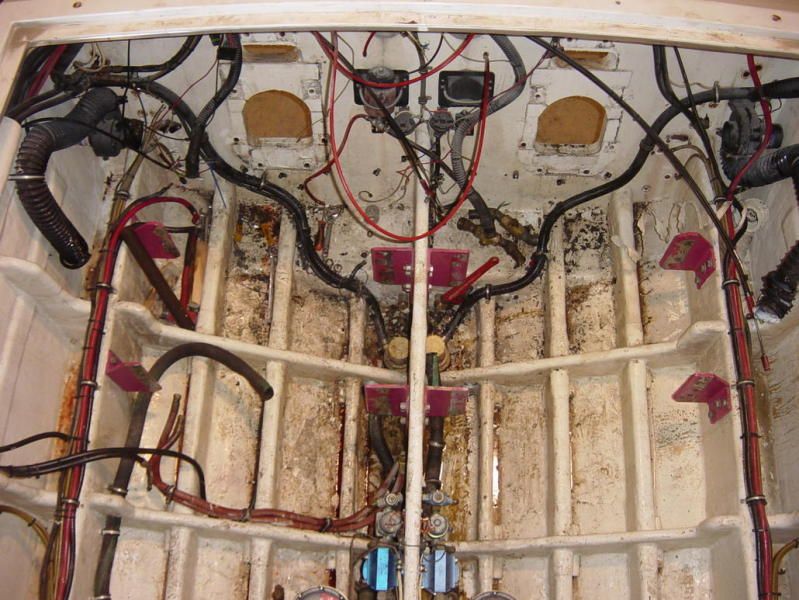
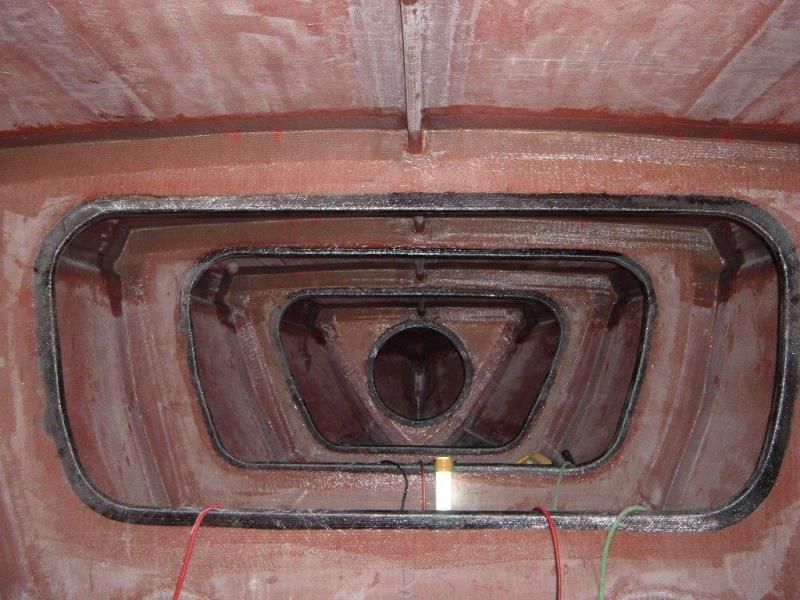
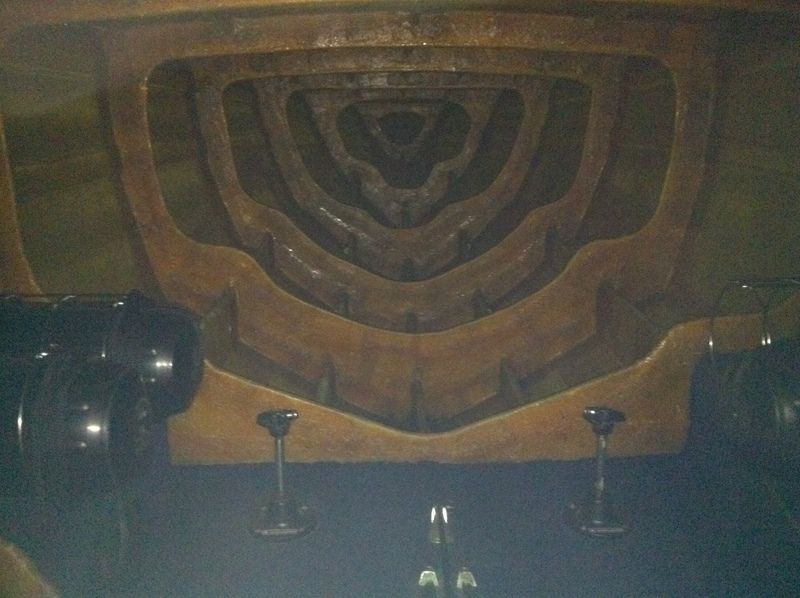
How about the kilo world record boat. Is that built like all the rest too?

 11-01-2012 | 12:13 PM
#86
Registered
Joined: Feb 2002
Posts: 5,008
Likes: 752
From: Traverse City, Michigan
If you were in the market for a good rough water boat what qualities would you look for?
What are some things you look for in a good rough water boat? Good is a loose term in this context meaning good to/for you as is rough water is going to mean different things to the boaters of Lake Havasu as opposed to the boaters of Lake Michigan.
So discussing hull designs, what makes a boat perform better in the rough over one another? Is it the deadrise of the boat, the strakes, steps, weight, freeboard, length, a combination of several, preference, or the details that all add together in relation to where the strakes are on the bottom etc.....
I'm not trying to turn this into a brand basing thread discussing how Fountains aren't really 42' etc. or Apache rules the rough, I'm trying to keep it more factual in the sense of what makes a boat better than others in the rough?
What are some things you look for in a good rough water boat? Good is a loose term in this context meaning good to/for you as is rough water is going to mean different things to the boaters of Lake Havasu as opposed to the boaters of Lake Michigan.
So discussing hull designs, what makes a boat perform better in the rough over one another? Is it the deadrise of the boat, the strakes, steps, weight, freeboard, length, a combination of several, preference, or the details that all add together in relation to where the strakes are on the bottom etc.....
I'm not trying to turn this into a brand basing thread discussing how Fountains aren't really 42' etc. or Apache rules the rough, I'm trying to keep it more factual in the sense of what makes a boat better than others in the rough?
Things around here deteriorate into a brand vs, brand debate.
ed
11-01-2012 | 12:23 PM
#87
Registered
Joined: May 2006
Posts: 420
Likes: 0
From: Cape Cod
I'm surprised no one has mentioned Sutphens. They're the only boat on the market (that I know of) with a 26 degree V and are superb rough water boats.
To the "bonded" versus "glassed" deck debate: When I was a kid we had a one-year-old 272 Formula, followed by a two-year-old Sonic 33 SE. After one year of running the Formula, the cabin was coming to pieces, the deck was ripping off in spots (this after re-tightening the screws) and the gas tank was leaking. The Sonic was run just as hard for several years without issue and ended up with a pair of Hawk 650s. I like Formulas and the Sonic was quite a bit longer, but there's no question that a fully glassed deck is a huge advantage. Land our '78 Sutphen off a wave and the deck hatches don't even rattle. There aren't too many new boats built that solidly and never mind 35-year-old boats!
To the "bonded" versus "glassed" deck debate: When I was a kid we had a one-year-old 272 Formula, followed by a two-year-old Sonic 33 SE. After one year of running the Formula, the cabin was coming to pieces, the deck was ripping off in spots (this after re-tightening the screws) and the gas tank was leaking. The Sonic was run just as hard for several years without issue and ended up with a pair of Hawk 650s. I like Formulas and the Sonic was quite a bit longer, but there's no question that a fully glassed deck is a huge advantage. Land our '78 Sutphen off a wave and the deck hatches don't even rattle. There aren't too many new boats built that solidly and never mind 35-year-old boats!
11-01-2012 | 12:28 PM
#88
Gold Member
Joined: Oct 2005
Posts: 11,692
Likes: 217
From: Olmsted Falls,Ohio Marblehead,Oh
I'm surprised no one has mentioned Sutphens. They're the only boat on the market (that I know of) with a 26 degree V and are superb rough water boats.
To the "bonded" versus "glassed" deck debate: When I was a kid we had a one-year-old 272 Formula, followed by a two-year-old Sonic 33 SE. After one year of running the Formula, the cabin was coming to pieces, the deck was ripping off in spots (this after re-tightening the screws) and the gas tank was leaking. The Sonic was run just as hard for several years without issue and ended up with a pair of Hawk 650s. I like Formulas and the Sonic was quite a bit longer, but there's no question that a fully glassed deck is a huge advantage. Land our '78 Sutphen off a wave and the deck hatches don't even rattle. There aren't too many new boats built that solidly and never mind 35-year-old boats!
To the "bonded" versus "glassed" deck debate: When I was a kid we had a one-year-old 272 Formula, followed by a two-year-old Sonic 33 SE. After one year of running the Formula, the cabin was coming to pieces, the deck was ripping off in spots (this after re-tightening the screws) and the gas tank was leaking. The Sonic was run just as hard for several years without issue and ended up with a pair of Hawk 650s. I like Formulas and the Sonic was quite a bit longer, but there's no question that a fully glassed deck is a huge advantage. Land our '78 Sutphen off a wave and the deck hatches don't even rattle. There aren't too many new boats built that solidly and never mind 35-year-old boats!

